

Understanding Your Car's AC

Imagine driving down the highway on a scorching summer afternoon. You turn the climate control dial, eagerly anticipating a blast of icy air, but instead, you are greeted with a stifling, lukewarm breeze. If you are frustratingly asking yourself, “why is my car ac not blowing cold air?” you are certainly not alone.
More often than not, the culprit behind a sweaty, uncomfortable commute is a depleted car cooling system. Whether you are dealing with a minor leak or a failing component, understanding the ins and outs of a car AC recharge can save you time, money, and a lot of unnecessary perspiration.
This comprehensive guide covers everything you need to know about air conditioning repair, from identifying the early warning signs of trouble to understanding the intricate steps professionals take to restore your cabin’s arctic chill.
Understanding Your Car Cooling System
Before diving into repairs, it helps to understand how your vehicle keeps you cool. Your auto AC does not actually "create" cold air; rather, it removes heat and humidity from the cabin. It does this via a closed-loop system using a chemical refrigerant that constantly changes from a gas to a liquid and back again.
The primary components include:
- Compressor: The heart of the system that pressurizes the refrigerant.
- Condenser: Located at the front of the vehicle, it cools the hot, pressurized gas back into a liquid.
- Expansion Valve / Orifice Tube: Regulates the flow of liquid refrigerant into the evaporator.
- Evaporator: Located inside the dashboard, it absorbs heat from the cabin air as the liquid refrigerant turns back into a gas.
Routine auto ac maintenance ensures these parts operate in harmony. When the system loses refrigerant, the entire heat-exchange process collapses.
Recognizing the Signs: Symptoms of Low Refrigerant in Cars
You do not need to be a certified mechanic to realize something is wrong with your climate control. Paying attention to the early symptoms of low refrigerant in cars can prevent catastrophic damage to your compressor.
Look out for these red flags:
- Warm or Room-Temperature Air: This is the most obvious sign. When fixing car air conditioner blowing warm air, low refrigerant is the first thing a technician will check.
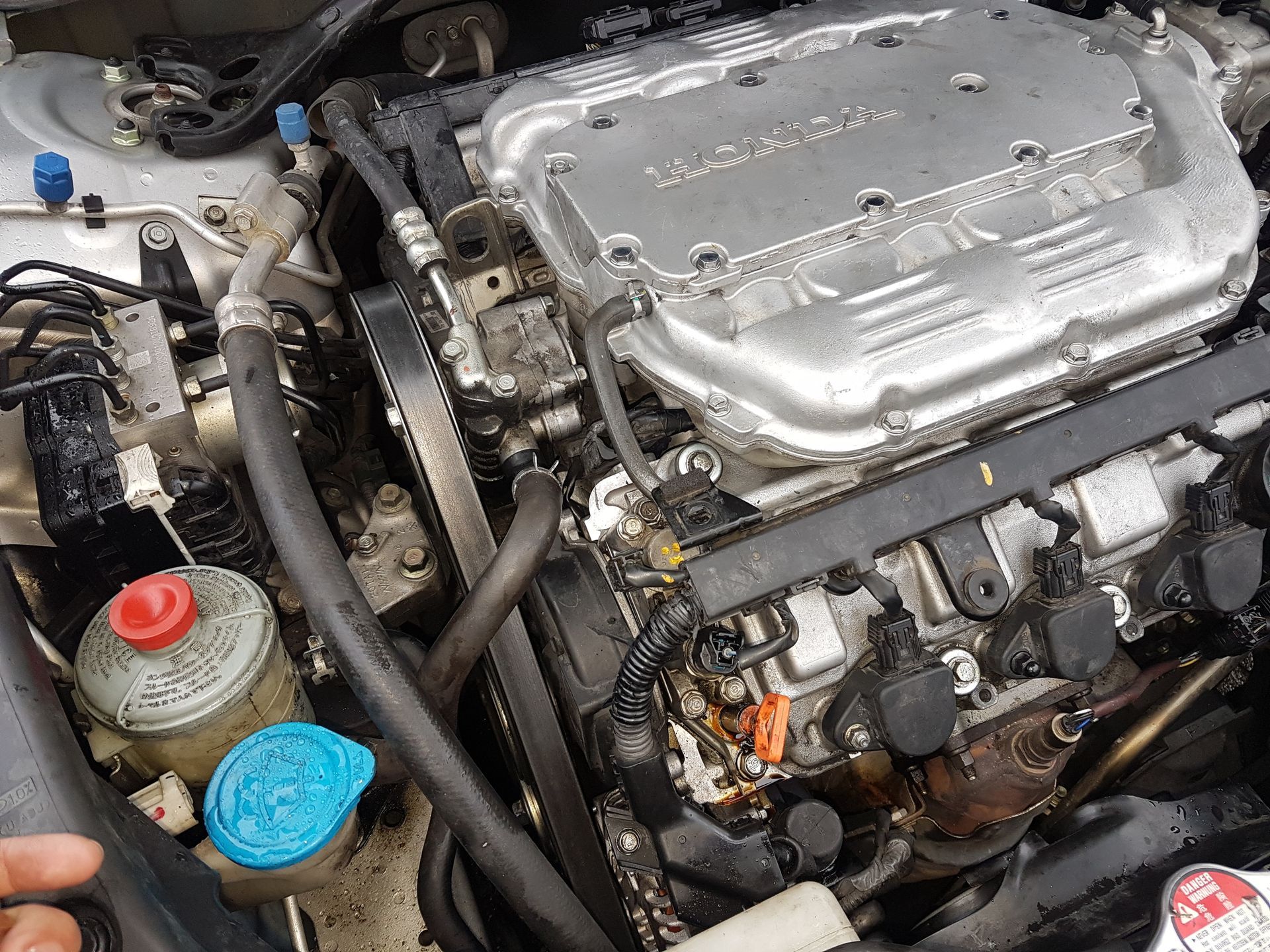
- Car AC Compressor Clutch Not Engaging: The compressor is driven by an electromagnetic clutch connected to the engine's serpentine belt. If refrigerant pressure drops too low, a built-in safety switch prevents the clutch from engaging to save the compressor from running dry and destroying itself.
- Hissing Noises: A faint hissing sound coming from behind the dashboard while the AC is running often indicates the expansion valve is struggling with a low charge.
- Visible Greasy Leaks: Refrigerant carries a special lubricating oil. If you have a leak, the gas evaporates, but the oil leaves a dirty, greasy residue around hoses and fittings.
How Often to Recharge Car AC?
A very common question among vehicle owners is: how often to recharge car ac? The honest, professional answer is never, unless there is a problem.
Unlike engine oil or windshield wiper fluid, refrigerant is not consumed or burned off during normal operation. The air conditioning is a sealed, closed-loop system. Therefore, if you find yourself needing to recharge AC in car systems repeatedly, you have a physical leak that must be addressed.
To prevent an endless cycle of wasting money on top-offs, mechanics will usually detect car ac leaks with uv dye. By injecting a fluorescent dye into the system, technicians can shine a special ultraviolet flashlight over the hoses and connections. Even the tiniest pinhole leak will glow bright green, allowing for an accurate and permanent repair.
DIY Recharge Kit vs Professional Service
Walk into any auto parts store, and you will see shelves lined with aerosol-style AC recharge cans. But when it comes to a DIY recharge kit vs professional service, which is the better route?
The Risks of DIY Kits
DIY kits are inexpensive and seem incredibly user-friendly. However, they come with significant risks:
- Overcharging: DIY kits only measure pressure on one side of the system. It is incredibly easy to overcharge the system, which can blow internal seals or permanently destroy the compressor.
- "Stop-Leak" Additives: Many over-the-counter cans contain chemical sealants. While they might plug a tiny hole, they frequently harden inside the expansion valve or the mechanic's expensive recovery machines, causing thousands of dollars in damage.
- Failing to Remove Moisture: A DIY can simply pushes new gas into the system. It cannot remove the harmful air and moisture that entered through the leak.
The Benefits of Professional Car AC Service
When you opt for a professional car AC service, technicians use sophisticated machines that safely extract the old refrigerant, measure exactly how much was lost, and recharge the system to the manufacturer’s precise weight specifications.
Navigating Refrigerant Types: R-134a vs R-1234yf
You cannot pump just any gas into your vehicle's AC system. For decades, the automotive industry used R-12 (Freon), which was eventually banned due to severe ozone depletion. Since the mid-1990s, R-134a became the global standard.
However, times have changed again. Due to strict environmental regulations for automotive refrigerants, the industry has transitioned to a new chemical called R-1234yf. This modern refrigerant has a Global Warming Potential (GWP) that is 99% lower than its predecessor.
When comparing R-134a vs R-1234yf refrigerant types, the most notable difference for consumers is the price. R-1234yf is significantly more expensive to manufacture and purchase. It is vital to note that these chemicals cannot be mixed; doing so is illegal and will ruin your climate control system. Modern service machines are equipped with gas analyzers to prevent cross-contamination.
Pro Tips for Auto AC Maintenance
To keep your system running optimally and avoid premature air conditioning repair, follow these simple maintenance habits:
- Run the AC Year-Round: Even in the dead of winter, turn your AC on for 10 minutes every couple of weeks. This circulates the internal oils, keeping the rubber O-rings and seals lubricated and preventing them from drying out and leaking.
- Change the Cabin Air Filter: A clogged cabin air filter severely restricts airflow, making your AC feel weak even if it is fully charged. Replace it every 15,000 miles.
- Keep the Grille Clean: The condenser sits at the very front of your car. Keep it free of dead bugs, leaves, and plastic bags to ensure maximum airflow for cooling the refrigerant.
Conclusion
Dealing with a malfunctioning climate control system is an incredibly frustrating experience, but it does not have to be a mystery. By understanding the inner workings of your vehicle's cooling system, recognizing the early symptoms of leaks, and knowing the vast differences between quick-fix DIY cans and professional equipment, you are equipped to make smart decisions for your vehicle.
Remember, a proper car AC recharge is more than just pumping gas into a port; it is an exact science that guarantees your comfort and protects the environment. Next time the cold air stops flowing, skip the guesswork, consult a trusted professional, and get back to enjoying the cool, comfortable cruise you deserve.
Share this blog on social media!
Latest News and Updates