

Essential Car Service Checklist for Every Owner
A reliable vehicle is rarely an accident. It usually comes from simple, consistent care: checking the parts that wear down, replacing fluids before they cause damage, and following a vehicle service schedule that fits your car, driving habits, and climate. This auto maintenance checklist gives every owner a practical way to stay ahead of breakdowns, safety issues, and avoidable repair bills.
What should every car owner check regularly?
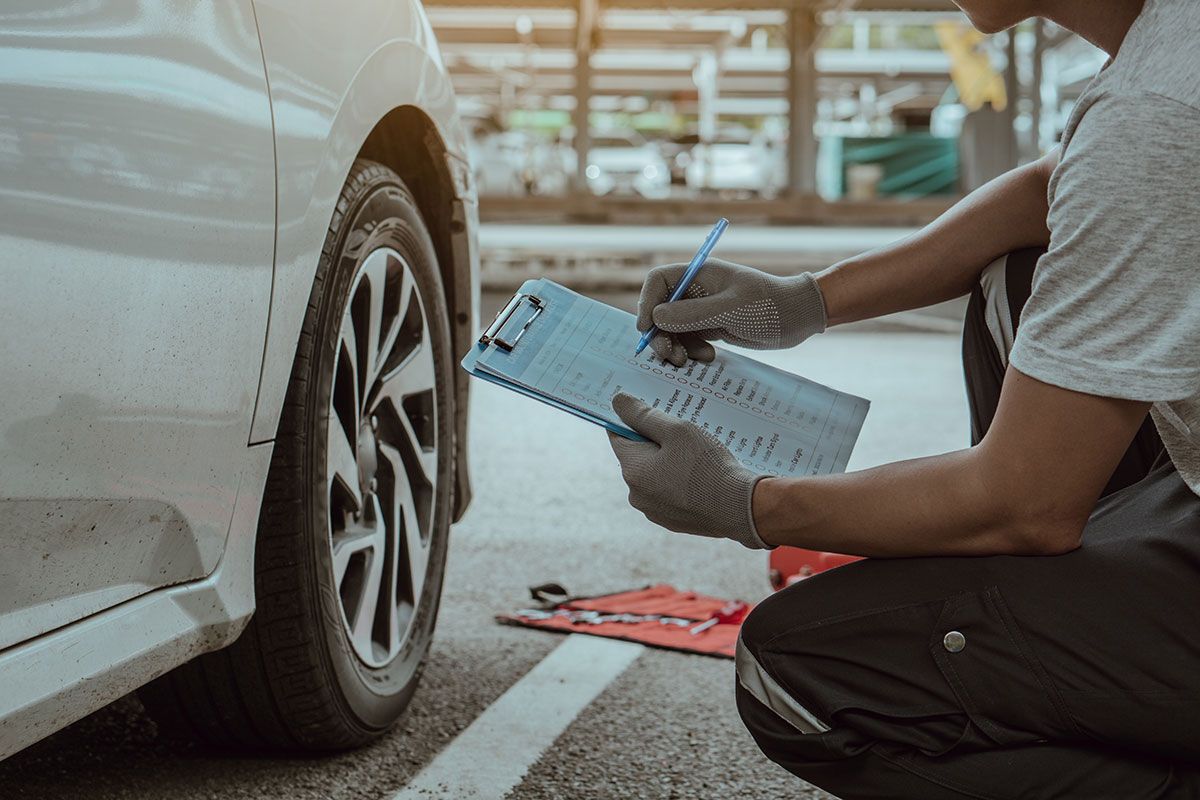
Every owner should regularly check tires, fluids, lights, wipers, brakes, belts, filters, and warning lights. These items affect safety, performance, fuel efficiency, and the life of major components, so they belong at the top of any car service checklist. The goal is not to become a mechanic overnight; it is to notice small changes early enough to prevent bigger problems.
A good routine starts with quick visual inspections. Look under the vehicle for leaks, glance at the dashboard before driving, and pay attention to new sounds, smells, vibrations, or pulling. Your car often gives clues before a failure becomes serious.
Use this simple monthly checklist as a starting point:
- Tire pressure: Check when tires are cold and inflate to the pressure listed on the driver-side door placard, not the number printed on the tire.
- Tire tread: Use the penny test or a tread gauge, and look for uneven wear that may point to alignment or suspension issues.
- Engine oil level: Check the dipstick if your vehicle has one, and watch for oil that looks unusually dirty, milky, or low.
- Coolant level: Inspect the reservoir when the engine is cool; never open a hot radiator cap.
- Brake fluid: Make sure the level is within the marked range and have leaks or sudden drops inspected.
- Windshield washer fluid: Keep it filled, especially before bad weather or road trips.
- Exterior lights: Test headlights, brake lights, reverse lights, turn signals, and hazard lights.
- Wipers and washer spray: Replace streaking, skipping, or cracked wiper blades before visibility becomes a problem.
These checks take only a few minutes, but they help you build familiarity with what “normal” looks and feels like for your vehicle.
Fluids deserve more attention than most drivers give them
Fluids are the lifeblood of a vehicle, and neglecting them can turn a manageable service visit into an expensive repair. Engine oil gets the most attention, but coolant, brake fluid, transmission fluid, power steering fluid, and washer fluid all play important roles.
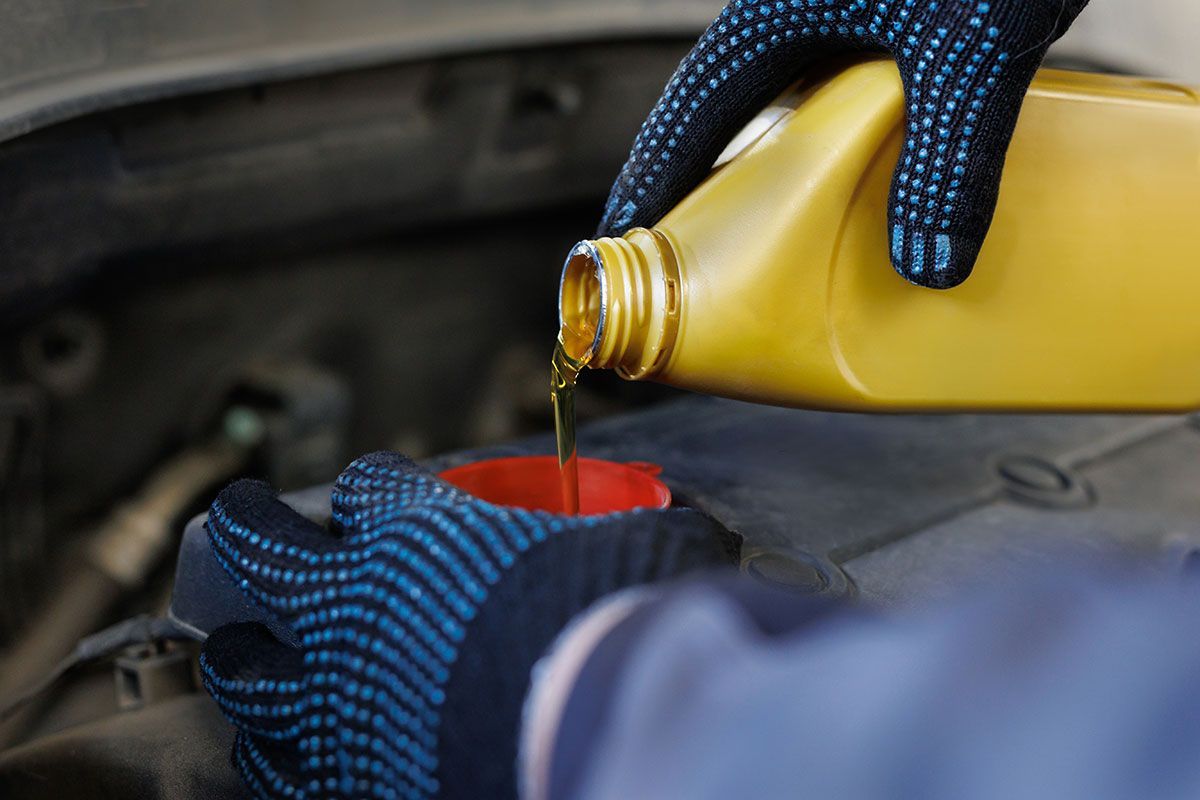
Oil reduces friction and helps manage engine heat. If the level is low or the oil is overdue, the engine has to work harder under less protection. Coolant prevents overheating and freezing, but old or contaminated coolant can also contribute to corrosion inside the cooling system.
Brake fluid is especially important because it transfers the force from your foot to the brakes. If it becomes contaminated or leaks, braking performance can suffer. Transmission fluid, meanwhile, should be handled according to the manufacturer’s instructions because service methods and intervals vary widely by vehicle.
Tires and brakes are safety items first
Tires are the only contact points between your vehicle and the road. Underinflation, worn tread, or uneven wear can affect stopping distance, steering, ride quality, and fuel economy. Since tire pressure can drop as outdoor temperatures fall, checking pressure during seasonal changes is a smart habit.
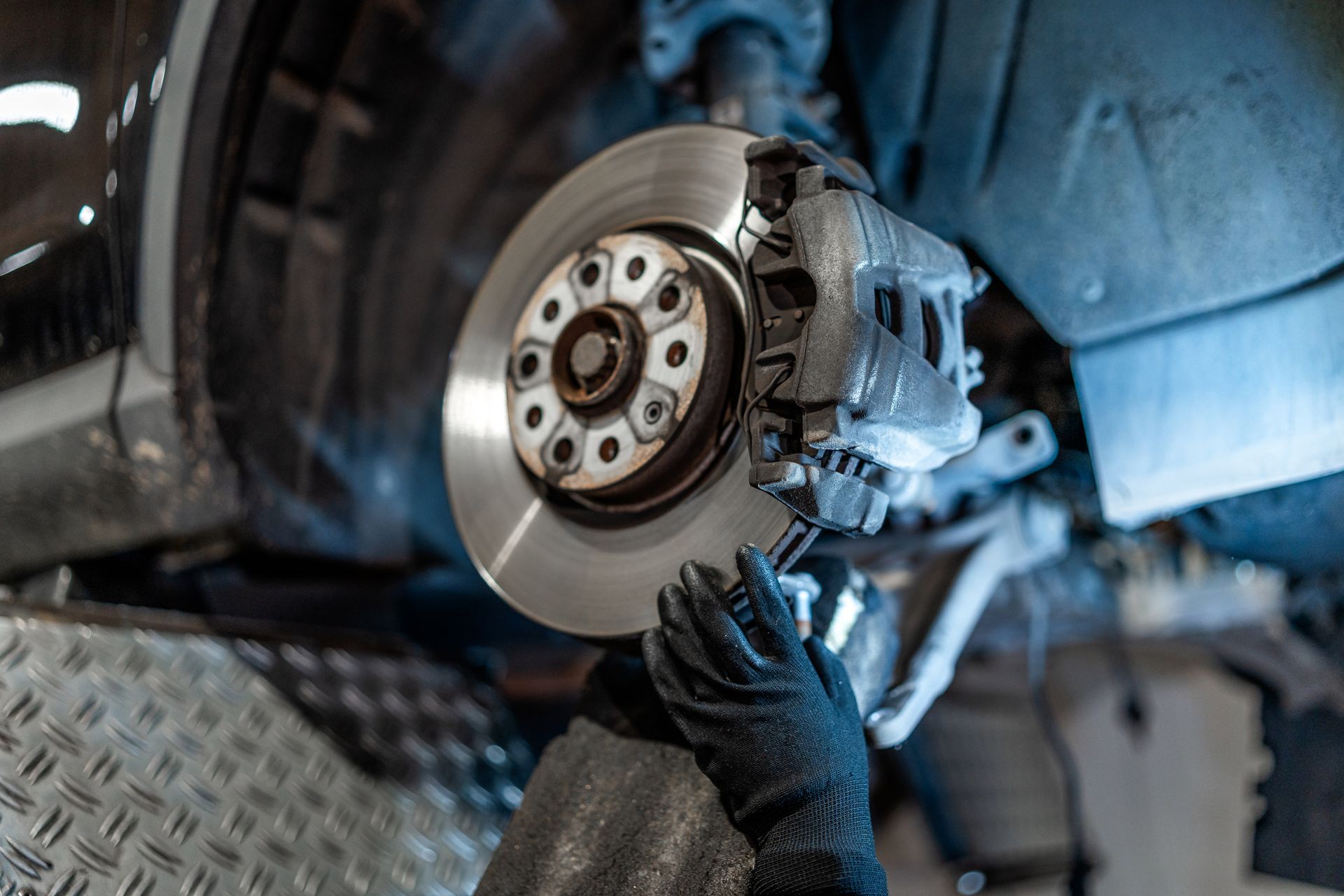
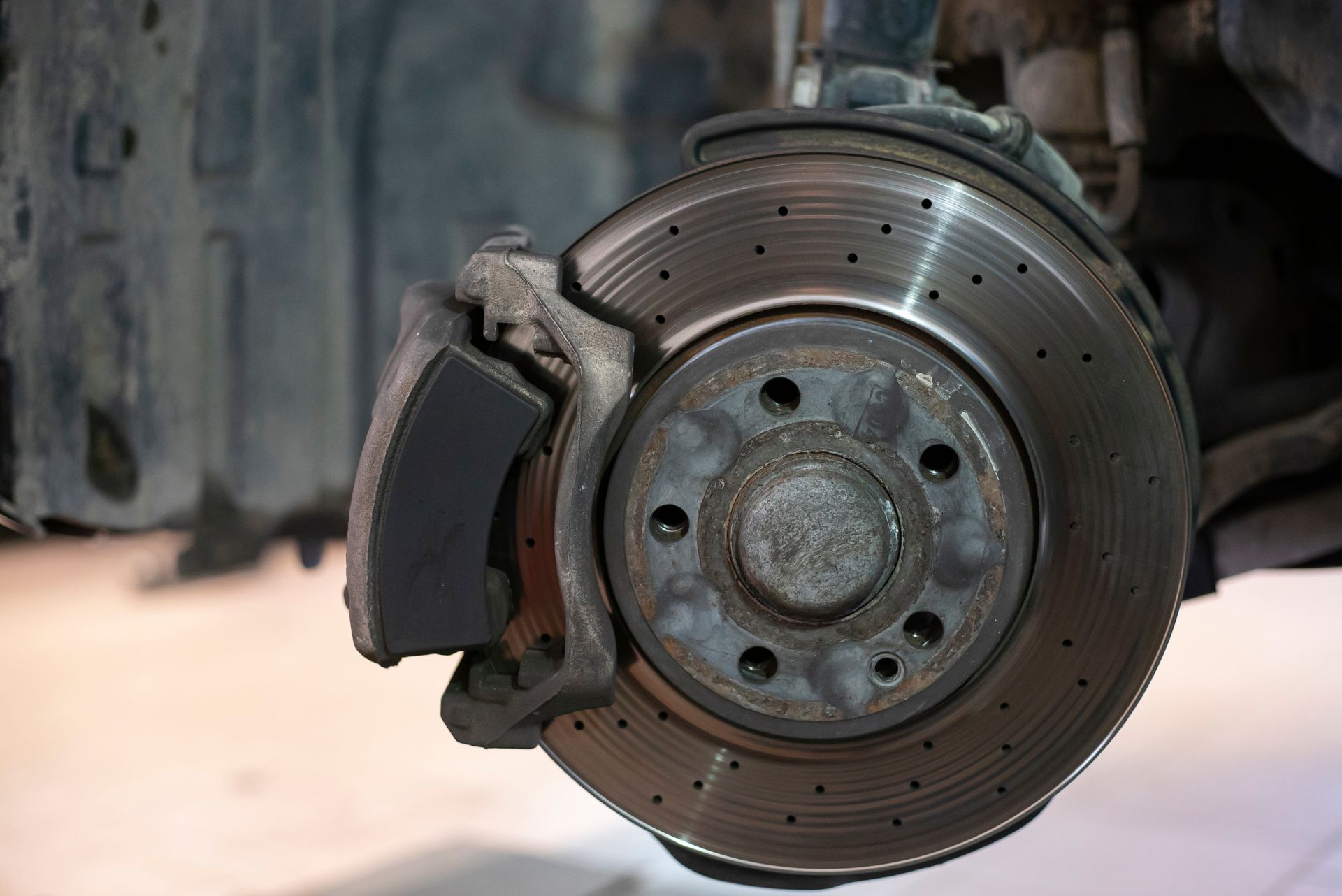
Brake issues should never be postponed. Squealing can indicate worn pads, grinding can suggest metal-on-metal contact, and a soft brake pedal may point to air, moisture, or a leak in the system. Pulling to one side while braking, shaking at highway speeds, or a burning smell after driving also deserves prompt inspection.
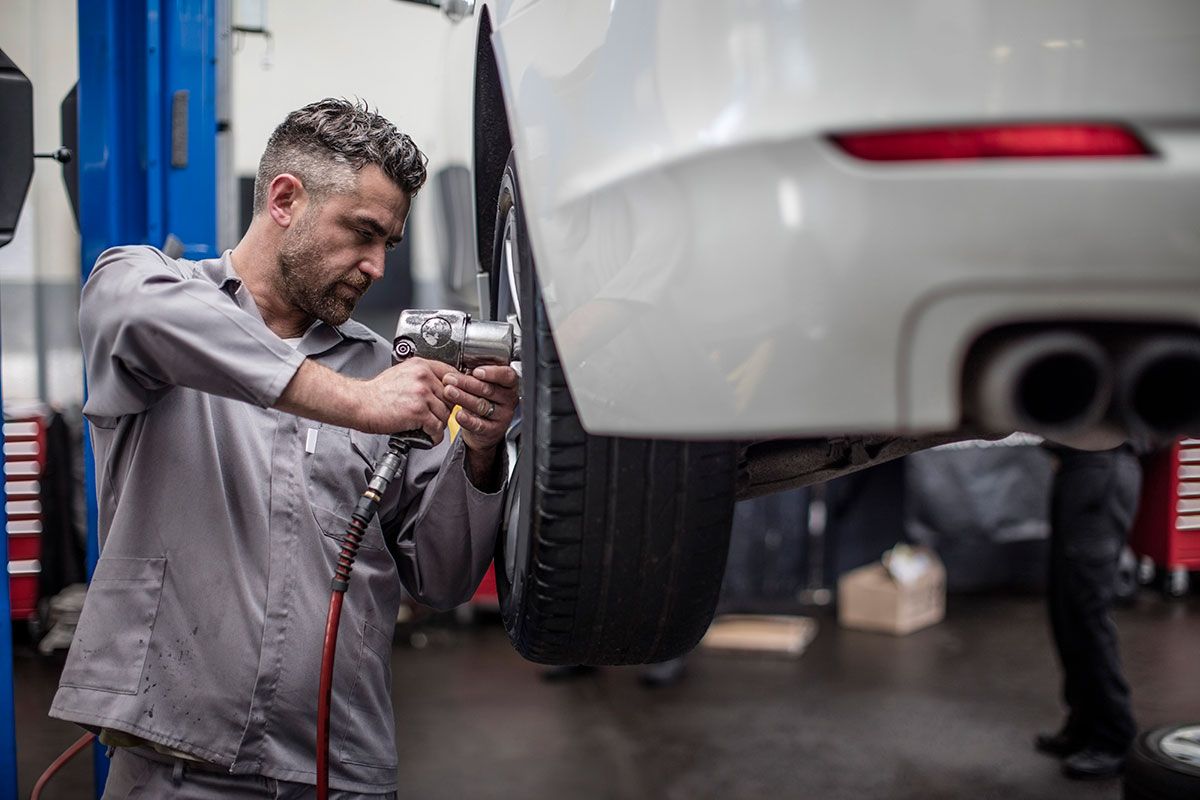
For many drivers, tire rotations and brake inspections are easiest to combine. When the wheels are off, a technician can inspect tread wear, brake pad thickness, rotors, calipers, and visible suspension parts.
How do you tailor maintenance to your vehicle?
You tailor maintenance by starting with the owner’s manual, then adjusting for mileage, age, climate, driving style, and road conditions. A commuter car in mild weather may not need the same attention as a high-mileage vehicle used for towing, short trips, gravel roads, or stop-and-go traffic. The best plan follows factory guidance without paying for unnecessary services.
If you drive a Toyota, for example, use the Toyota car maintenance schedule for your specific model, year, engine, and drivetrain rather than relying on a generic chart. Toyota’s recommendations can differ between vehicles, and “special operating conditions” may call for more frequent inspections or replacements. The same idea applies to any brand: manufacturer guidance should be the baseline.
Consider adjusting your vehicle service schedule if you often:
- Take repeated short trips where the engine may not fully warm up.
- Drive in extreme heat, cold, dust, snow, or heavy rain.
- Tow trailers, carry heavy loads, or use roof racks often.
- Sit in heavy traffic with long idle times.
- Drive on rough roads, steep grades, or salted winter roads.
- Own an older vehicle with higher mileage or incomplete service records.
This is where good judgment matters. More maintenance is not always better if it is unnecessary, but skipped maintenance can cost far more than timely service.
Basic auto repair tasks many owners can learn
Basic auto repair does not mean rebuilding an engine in the driveway. For most owners, it means understanding simple tasks that improve safety and reduce emergency visits. Even if you prefer professional service, knowing the basics helps you communicate clearly with a repair shop.
Many owners can learn to replace wiper blades, top off washer fluid, check tire pressure, inspect lights, and change some air filters. Some may also feel comfortable replacing a battery or changing oil, depending on the vehicle and their tools. Always follow safe procedures, use the correct parts and fluids, and stop if a task requires lifting the vehicle without proper equipment.
A helpful rule is to separate “check” tasks from “repair” tasks. Checking fluid levels, looking at tire tread, or identifying a warning light is low risk. Brake work, steering components, fuel systems, airbags, high-voltage hybrid components, and major engine or transmission service should be left to trained professionals.
Warning signs that need quick attention
Some issues can wait for the next scheduled appointment, but others need immediate action. A dashboard light, strange noise, or fluid leak is not always a disaster, yet ignoring it removes your chance to catch the problem early.
Take quick action when you notice:
- Check engine light flashing: Reduce driving and seek service promptly, as this can signal a serious misfire.
- Oil pressure warning: Pull over safely and shut off the engine; low oil pressure can cause major damage.
- Temperature warning or steam: Stop driving once safe, because overheating can damage the engine.
- Brake warning light: Check whether the parking brake is engaged; if not, schedule urgent inspection.
- TPMS light: Check tire pressure soon, especially before highway driving.
- Grinding brakes: Avoid delay, since continued driving can damage rotors and reduce stopping ability.
- Fluid puddles: Clear water from air conditioning may be normal, but oil, coolant, brake fluid, or transmission fluid should be inspected.
When in doubt, be cautious. Paying for an inspection is usually better than paying for a tow, a major repair, or an accident caused by a preventable failure.
Choosing the right service provider
The right repair option depends on the work needed. Dealerships are often a strong choice for warranty concerns, recalls, software updates, brand-specific diagnostics, and complex model-specific service. Independent shops can be excellent for routine maintenance, inspections, brakes, suspension work, and long-term care, especially when you find one you trust.
Chain service centers may be convenient for common needs such as oil changes, batteries, tires, and wipers. The key is to understand what you are buying and to keep your own records. Ask what is included, whether the parts meet your vehicle’s requirements, and whether a recommended service is due by mileage, condition, or time.
A reliable shop should be willing to explain the “why” behind a recommendation. You do not need to approve every suggested service immediately, but you should understand which items are urgent, which are preventive, and which can be monitored.
Records protect your budget and resale value
Maintenance records are easy to overlook, but they are one of the simplest ways to protect your investment. Keep receipts, inspection reports, mileage notes, and dates for oil changes, tire rotations, brake work, batteries, filters, and major fluid services. A folder, spreadsheet, or maintenance app can all work.
Good records help you avoid duplicate services and make it easier to follow a realistic vehicle service schedule. They also give future buyers more confidence because they show the vehicle was cared for consistently. If you ever need warranty consideration or a second opinion, written history is far more useful than memory.
A simple maintenance rhythm to follow
You do not need to memorize every interval. Build a rhythm around time, mileage, and driving events.
- Before each drive: Notice warning lights, unusual noises, and obvious tire problems.
- Monthly: Check tire pressure, lights, wipers, washer fluid, visible leaks, and fluid levels where accessible.
- Every oil change: Inspect tires, brakes, filters, belts, hoses, and battery condition.
- Seasonally: Test the battery, review tires, replace weak wipers, and prepare for heat, cold, rain, or snow.
- Before road trips: Check fluids, tire pressure, spare tire or inflator kit, lights, brakes, and emergency supplies.
- Annually: Review your owner’s manual schedule and compare it with your actual service records.
This rhythm turns maintenance from a stressful guessing game into a manageable routine.
The takeaway
An effective car service checklist is not about doing everything at once. It is about checking the right items consistently, following manufacturer maintenance recommendations, and getting professional help when safety or specialized systems are involved.
Start with monthly basics, keep accurate records, and use your owner’s manual as the foundation for every decision. Whether you drive a new Toyota, an older commuter car, or a family SUV, steady maintenance helps your vehicle stay safer, more dependable, and more valuable for the long run.
Share this blog on social media!
Latest News and Updates