

Vehicle Diagnostic: Find Reliable Checks
Reliable vehicle diagnostics should explain what is wrong, how the fault was confirmed, and what needs to happen next—not simply produce a trouble code. A diagnostics check on a car is most useful when scan results lead to targeted testing rather than automatic parts replacement. This article explains that distinction, how to respond to warning lights, and what to ask before authorizing work.
Finding Reliable Vehicle Diagnostics
Reliable vehicle diagnostics should explain what is wrong, how the fault was confirmed, and what needs to happen next—not simply produce a trouble code. A diagnostics check on a car is most useful when scan results lead to targeted testing rather than automatic parts replacement. This article explains that distinction, how to respond to warning lights, and what to ask before authorizing work.
What does a diagnostic car test actually cover?
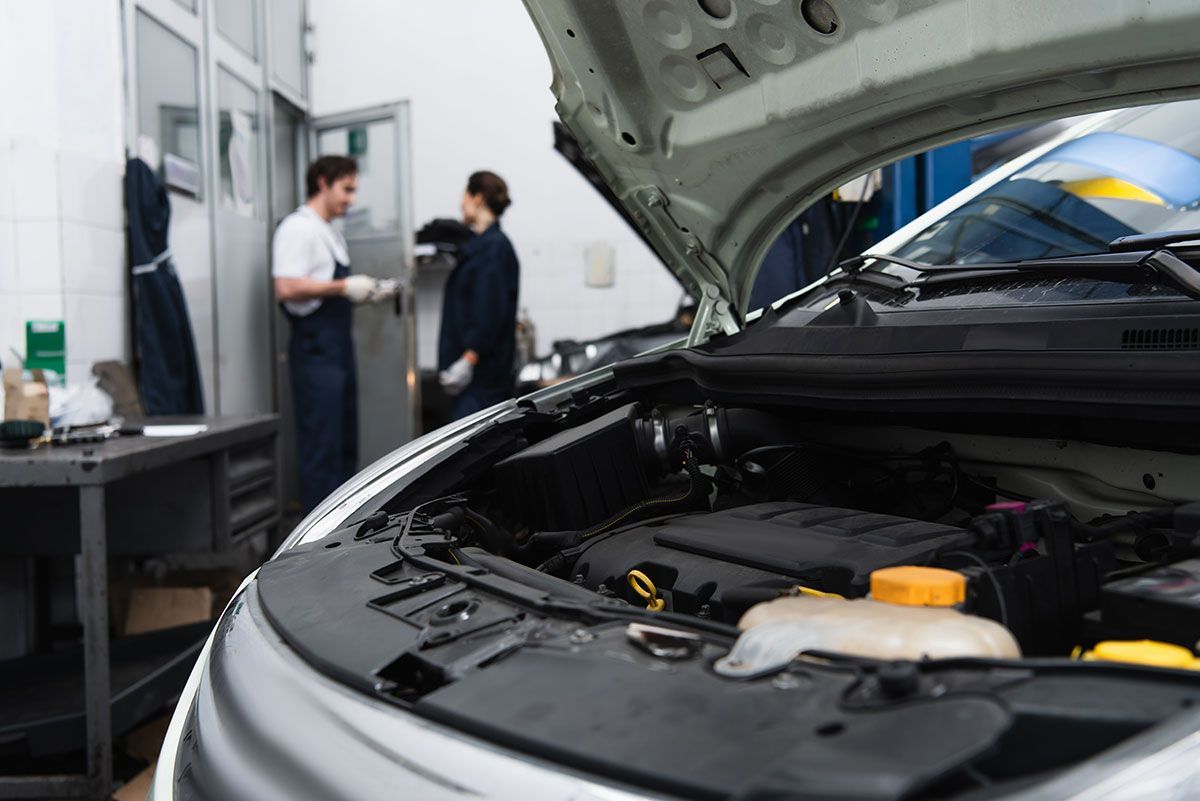
A diagnostic car test investigates a reported symptom or warning by combining electronic information with appropriate checks. The vehicle’s onboard diagnostics system monitors emissions-related components and operating conditions, while a technician uses the information it stores to guide further investigation. Reading those records is a starting point, not the entire diagnosis.
When the onboard system detects certain faults, it stores diagnostic trouble codes and may illuminate the check engine light. It can also store operating information from when the fault occurred, giving the technician useful context. Those records help identify what needs investigating; they do not necessarily identify a failed part.
For example, a code description might mention a component that is not itself defective. Replacing that component without investigating the cause can mean paying for an unnecessary repair. Professional engine diagnosis follows a testing process to establish why the code appeared.
Before booking, describe the problem and ask which checks are included:
- Engine or emissions concerns: Ask whether the appointment includes investigation beyond retrieving codes.
- Shifting problems: Describe delayed engagement, slipping, or harsh changes so the shop can plan its assessment.
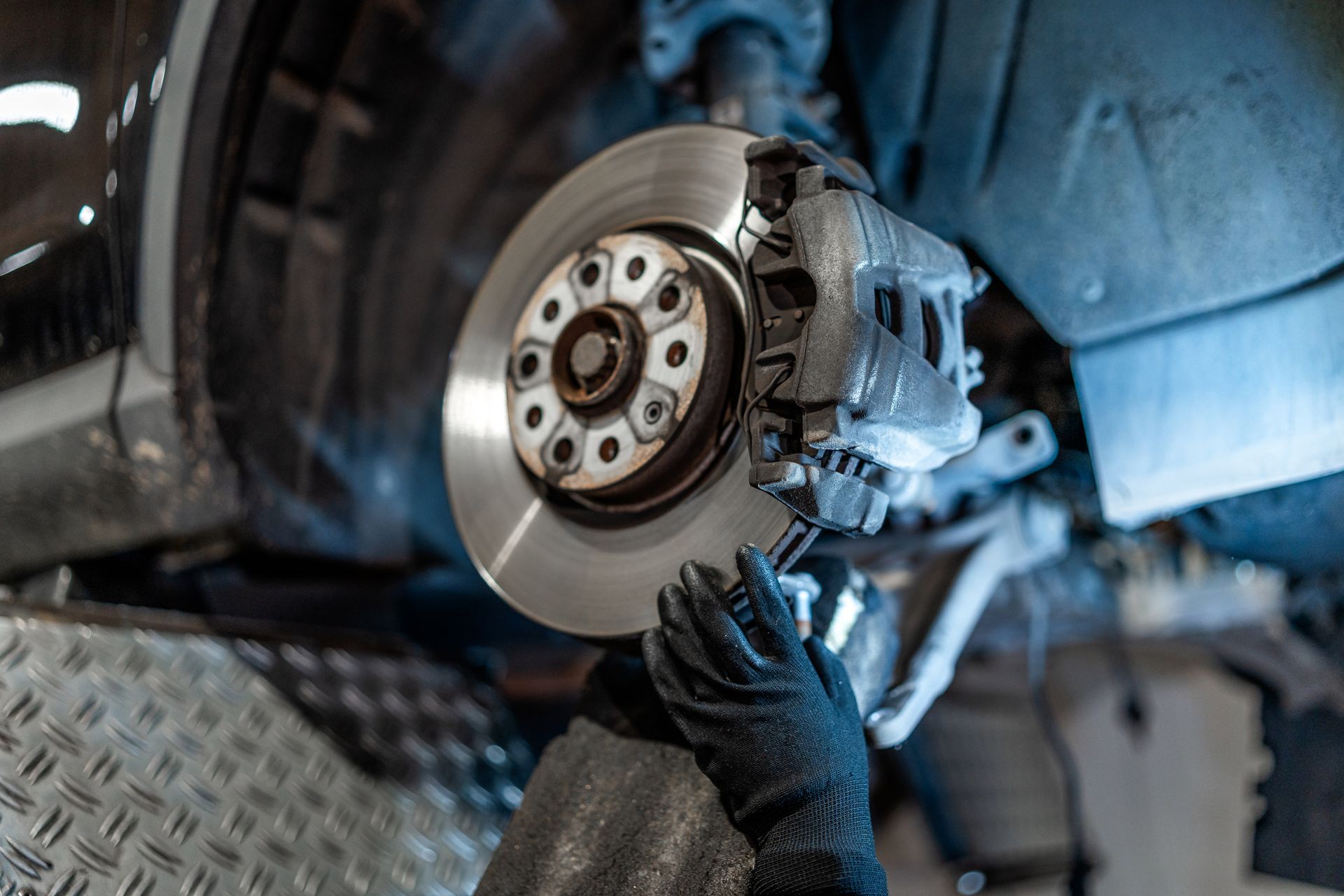
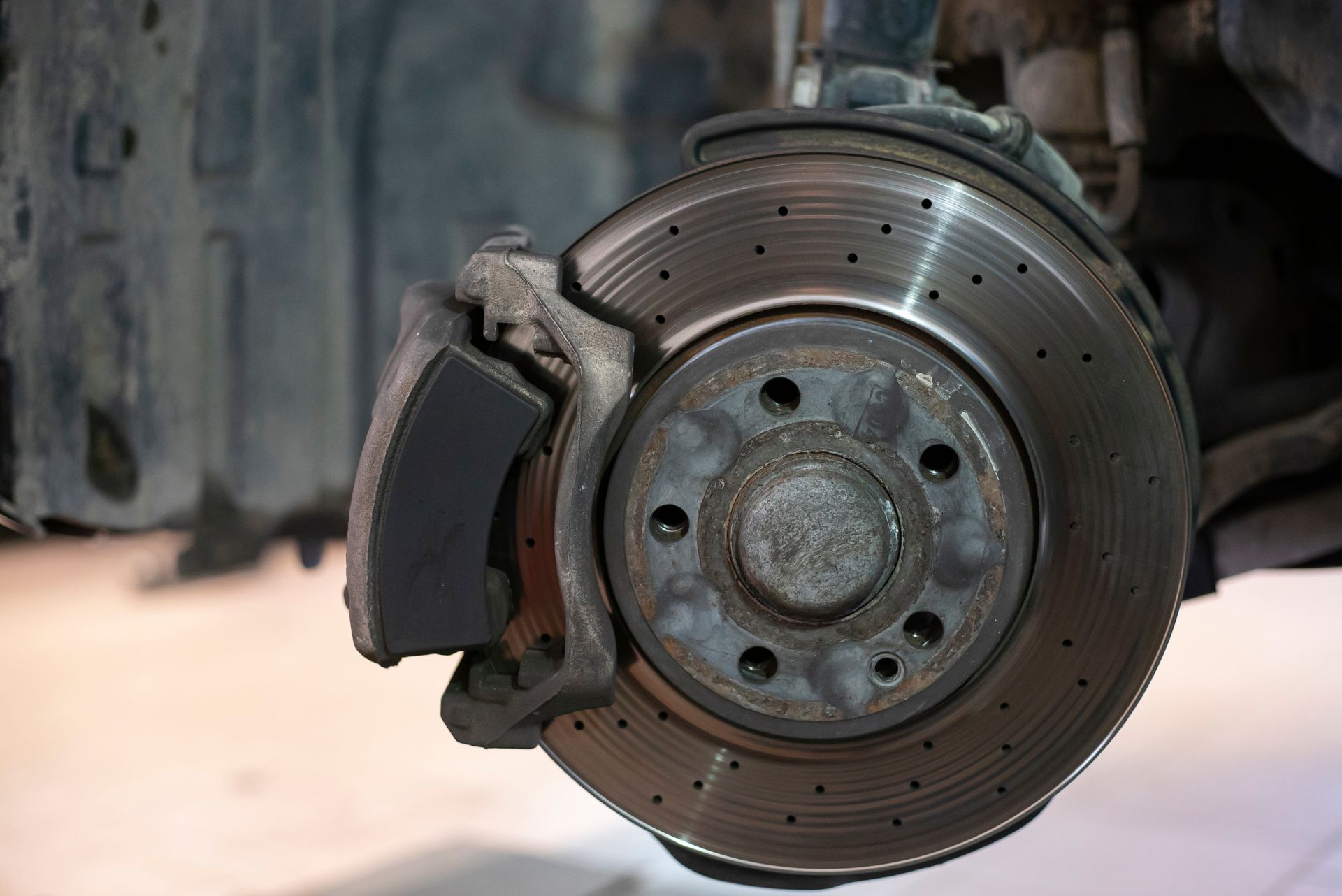
- Brake noises or warning lights: Request a brake-specific evaluation rather than assuming an engine scan covers them.
- Overheating, vibration, or poor handling: Identify these symptoms explicitly and ask what physical inspection is needed.
These are different diagnostic concerns, not interchangeable names for one universal test. Brake grinding, difficult steering, and transmission slipping all warrant investigation, even when your main reason for calling is a dashboard warning.
How urgently should you arrange an engine light check?
Arrange an engine light check promptly when the warning stays illuminated, and treat a flashing light as urgent. A flashing check engine light can signal a fault capable of damaging emissions-control components; Oregon’s Department of Environmental Quality discourages vehicle operation until it is repaired. Follow your owner’s manual for vehicle-specific instructions.
If the light starts flashing while you are driving, reach a safe stopping location and arrange assistance rather than continuing your trip. AAA identifies a flashing check engine light as requiring immediate service. Do not assume that a vehicle that still moves normally is safe to keep driving. A steady light still needs attention, even if the vehicle seems unchanged. A loose or damaged fuel cap can trigger the warning on applicable vehicles, but that possibility is not a diagnosis. Note whether the light appeared after refueling and share that detail with the technician.
Other warnings require different responses. If the engine overheats, pull over safely and switch it off; if braking becomes weak, stop driving and arrange towing. Do not treat every dashboard alert as another routine check engine appointment.
Can a DIY scanner replace professional diagnostics?
A DIY scanner can retrieve useful information, but it cannot replace the testing and judgment needed to establish a fault’s cause. Depending on the device, it may offer basic code reading or more advanced information and functions. Its value depends on how accurately that information is interpreted.
Use a reader to record the exact codes and prepare informed questions, not to create an immediate shopping list. AAA warns that jumping from a code description to parts replacement can lead owners to replace components that still work. The important distinction is between knowing what the computer reported and proving why it reported it.
Avoid clearing codes simply to switch off the warning light before your appointment. Clearing diagnostic information or disconnecting the battery can also reset emissions-readiness monitors, complicating an upcoming inspection. Preserve the information and tell the shop about any recent resets.
A practical boundary is to use DIY scanning for information gathering and leave uncertain faults to qualified professionals. Be especially cautious when a warning accompanies poor running, braking concerns, or overheating. A scan result is not permission to disregard those symptoms.
Choose a shop by its process, not its promises
Look for relevant experience, current technician certifications, and a willingness to explain the diagnostic approach. The Federal Trade Commission recommends asking whether a shop has worked on your make and model. It also cautions that certification alone does not guarantee good or honest work.
Ask who will assess the vehicle and whether the shop can investigate your particular concern. For example, make clear whether you need help with an engine warning, an intermittent starting problem, or an unusual braking symptom. You want an appointment matched to the problem, not an assumption that every concern starts and ends with the same scan.
Useful questions include:
- What will the initial diagnostic appointment include beyond reading codes?
- Will you contact me before spending additional diagnostic time?
- Can you explain the test results supporting a proposed repair?
- How will you check whether the repair resolved my original complaint?
- What written warranty applies to the recommended work?
Listen for clear explanations rather than certainty before anyone has examined the vehicle. Ask for recommendations from people you trust, compare repair warranty policies, and consider a second opinion for expensive or complicated work. Those are all steps the FTC recommends when choosing and using a repair shop.
Agree on diagnostic costs and authorization first
Ask about the diagnostic charge before leaving your keys. Many repair shops charge for diagnostic time, including when you ultimately choose another business for the repair. Request a written estimate and establish when the shop must seek further approval.
Rather than relying on a general advertised price, request a quote for your vehicle and complaint. Clarify whether the quoted service is a code read or an investigation, whether additional testing requires approval, and whether any diagnostic charge will be credited toward repairs. Do not assume a credit applies unless the shop confirms it.
Also separate appointment length from promised completion. Ask when the technician expects to begin, when you should expect an update, and what happens if the symptom cannot be reproduced. If you need the vehicle back that day, say so before booking rather than after testing begins.
Bring details that make the visit more useful
Prepare a short symptom history before your appointment. Describe what you noticed rather than naming a part you believe has failed. The FTC identifies noises, smells, changes in handling, and performance problems as useful clues when recognizing vehicle trouble.
Bring or send the following:
- Vehicle details: Year, make, model, mileage, and relevant service records.
- Symptom pattern: Whether it happens during cold starts, acceleration, braking, idling, or longer trips.
- Warning information: Exact dashboard messages, photographs, and any codes already retrieved.
- Recent changes: Repairs, battery work, refueling, or maintenance shortly before the problem began.
- Safe recordings: Audio or video captured by a passenger or while parked—not while operating the vehicle.
Try a description such as: “It hesitates during the first acceleration after an overnight stop, then improves.” That gives the shop a condition to investigate without prescribing a repair. If the problem happens only occasionally, explain how often and when you last noticed it.
Leave with an explanation and a next step
Before approving repairs, ask the shop to connect the evidence to the recommendation. Request an explanation of what failed, what testing supports that conclusion, and what remains uncertain. If further investigation is needed, agree on its scope before proceeding.
Ask for urgent repairs, other recommended work, and routine maintenance to be listed separately. Keep the diagnostic findings with your service records, and follow the manufacturer’s maintenance schedule rather than treating an extinguished warning light as a complete maintenance assessment. The FTC recommends following the schedule in your owner’s manual.
Reliable diagnostics should leave you better informed, not merely holding a code printout. Choose a shop that explains its process, agree on costs upfront, and provide clear symptom details. The goal is a justified repair decision—and a clear understanding of what happens next.
Share this blog on social media!
Latest News and Updates